Famous Motorcycle Clubs
The history of motorcycle clubs is almost as long as the history of motorcycles themselves. From the first motorcycle clubs founded in Europe and the Americas in the early 1900s to the many motorcycle organizations spread across the world today, motorcycle clubs have become an indispensable part of motorcycle culture.
In 1912, the American Motorcyclist Association (AMA) was founded, one of the earliest national motorcycle organizations in the world. The establishment of the AMA promoted the formalization of motorcycle sport and laid a foundation for the later flourishing of many motorcycle clubs. Britain's Auto-Cycle Union was founded even earlier, in 1889, and is the world's oldest governing body for motorcycle sport.
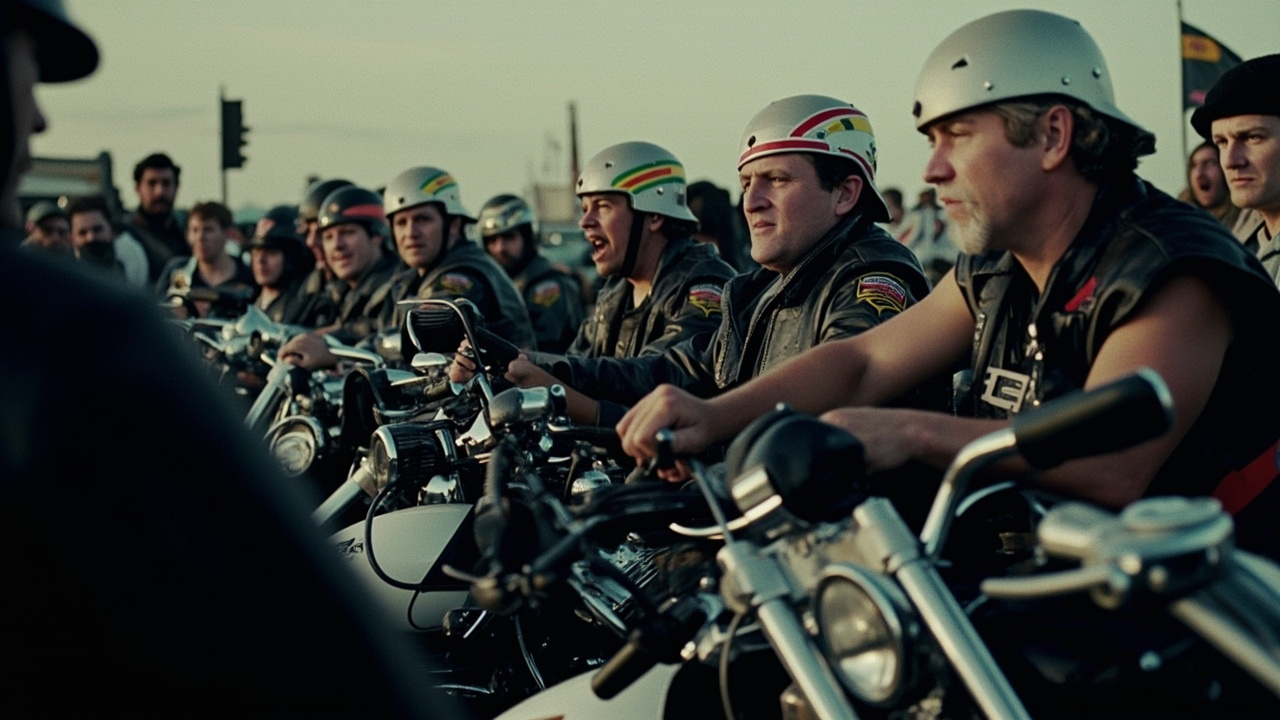
In the 1930s, the famous Hells Angels motorcycle club was founded in California. The organization was initially composed of World War II veterans, whose shared experiences and love of motorcycles brought them together. The name Hells Angels came from the designation of a paratrooper division during World War II. The club gradually expanded into a national organization during the 1950s and 1960s, but it also became controversial because of illegal activities by some members. In the 1964 Rhode Island incident, club members and other motorcycle gangs clashed violently, causing multiple injuries and deaths.
The 1966 film The Wild One was modeled on Hells Angels, further deepening the public's negative impression of motorcycle clubs. In reality, however, most motorcycle club members are law-abiding citizens who join clubs mainly for social interaction and the shared pleasure of riding.
British motorcycle club culture followed a different development path. The Road Record Party members' riding group, founded in the 1930s, became a pioneer of British road racing. Members of this club were passionate about challenging speed limits on public roads. Although such behavior is dangerous and illegal by today's standards, it was an important part of motorcycle culture at the time.
The BSA owners' club, founded in 1936, is one of the world's largest single-brand motorcycle clubs. The club allows enthusiasts of the same brand to exchange maintenance and modification experience and organize group rides. Similar single-brand clubs have flourished with the support of major motorcycle manufacturers.
From the 1960s to the 1970s, as motorcycle touring became popular, long-distance cruising clubs began to rise. Harley-Davidson's H.O.G. (Harley Owners Group), founded in 1983, is one of today's largest motorcycle clubs, with more than one million members worldwide. Officially supported by Harley-Davidson, the organization provides members with benefits including insurance discounts, towing services, and exclusive events.
The development of Japanese motorcycle clubs shows different cultural features. From the 1970s to the 1980s, as Japan's motorcycle industry took off, large numbers of motorcycle clubs appeared across the country. These clubs were often organized by region, with members touring together and sharing riding experiences. Kyoto's Mafia Crew and Osaka's Kobe Crew are among Japan's best-known motorcycle clubs.
In the 2000s, the emergence of social media changed how motorcycle clubs operate. Traditional physical gatherings and activities remain important, but online communities have also become important platforms for communication among members. Facebook groups and LINE groups allow clubs to coordinate events and share information more easily.
Today's motorcycle clubs take many forms, from casual local gatherings to specialized custom clubs, from women-only clubs to vintage motorcycle clubs. These various organizations reflect the diversity of motorcycle culture. Many clubs have also begun participating in charity activities and community service to improve the public image of motorcycle riders.
Taiwan's motorcycle club culture is also thriving. Large clubs such as Haixian Riders Club and Taiwan Heavy Motorcycle Touring Association have thousands of members and regularly organize long-distance touring events. Custom clubs such as Singer Owner Club focus on preserving and restoring classic models. These organizations inject vitality into the development of Taiwan's motorcycle culture.
The significance of motorcycle clubs goes far beyond pure social function. They are important carriers of motorcycle cultural inheritance, passing riding knowledge, safety awareness, and cultural spirit to the next generation through mentorship between experienced and new riders.