Motorcycle Touring
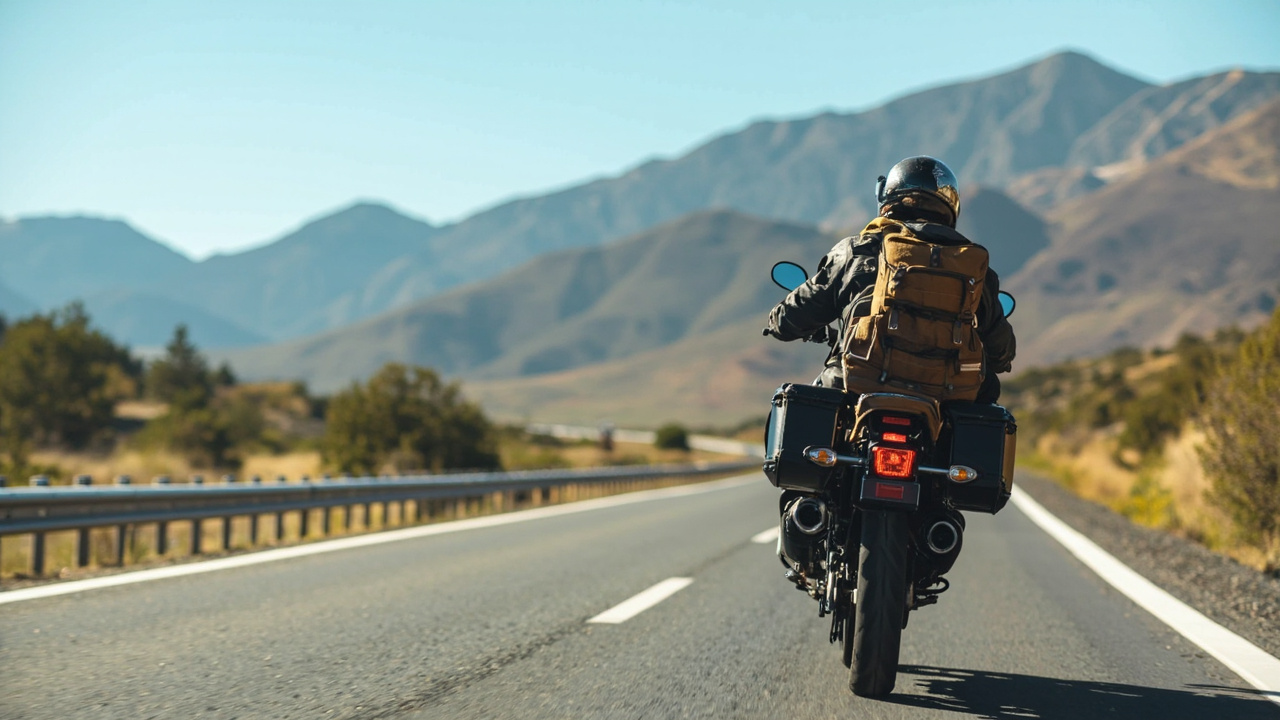
Motorcycle touring is a form of travel that perfectly combines transportation and leisure. Compared with other means of transport, motorcycles give travelers greater freedom and stronger interaction with nature. Whether crossing vast mountain ranges or riding along long coastlines, motorcycle touring offers a unique sensory experience.
The history of motorcycle touring can be traced to shortly after the motorcycle was invented. In 1903, Theresa Wallach and her passenger completed a spectacular motorcycle journey from London to Africa, causing a sensation at the time. From the 1920s to the 1930s, as motorcycle reliability improved, more adventurers began using motorcycles for long-distance travel. In 1935, the opening of the International Burma Road (today's Stilwell Road) created new possibilities for motorcycle touring.
After World War II, motorcycle touring entered the mass era. From the 1960s to the 1970s, road networks in Europe and America gradually improved, and motels and campgrounds began offering services for motorcycle travelers. These infrastructure improvements made long-distance motorcycle travel more convenient and attracted many amateur enthusiasts to the activity.
Motorcycle touring can be divided into several main types. The first is independent touring, where riders plan their own routes, food, and lodging, enjoying complete flexibility and a sense of adventure. The advantage of this approach is high flexibility, allowing riders to adjust their itinerary at any time according to mood. The second is group touring, organized by clubs or travel agencies. Its advantage is professional leaders and logistical support, making it safer. The third is themed touring, such as routes designed around a specific highway or cultural theme for deeper exploration.
The most popular motorcycle touring routes are found around the world. Route 66 in North America runs from Chicago to Santa Monica, California, for about 4,000 kilometers, crossing the diverse landscapes of the central United States. This highway is called the "Mother Road" and carries memories of American frontier history. Europe's Alpine Route crosses France, Switzerland, Italy, and Austria, passing countless magnificent mountain passes and valleys. Asia's Yunnan-Tibet Highway extends from Yunnan, China, to Tibet, passing some of the world's highest road passes and standing as the ultimate dream of many motorcycle travelers.
The preparation required for motorcycle touring is more complex than ordinary travel. The first step is preparing the vehicle. Before a long trip, a complete maintenance check is required, including the engine, transmission, brakes, suspension, and electrical system. The second is luggage arrangement. Loading enough clothing, tools, and personal items into limited space tests the rider's packing skills. Professional motorcycle luggage systems include side cases, top cases, and tank bags, providing ample storage without affecting vehicle balance.
Safety is the primary consideration in motorcycle touring. International motorcycle touring organizations recommend that long-distance travelers receive professional riding training and understand coping skills for various road conditions. Essential safety equipment includes a full-face helmet meeting safety standards, fall-protection clothing with back protection, motorcycle-specific gloves, and boots. In an accident, these items can make the critical difference between life and death.
The economic benefits of motorcycle touring are often underestimated. A motorcycle tourist's spending in a region usually includes fuel, food, lodging, and local souvenirs. According to statistics from the European Motorcycle Tourism Association, each motorcycle tourist spends about 60% as much as an ordinary car traveler along the way, but visits more than twice as many regions. This is because motorcycle mobility makes riders more willing to explore remote areas and small towns.
Taiwan's motorcycle touring culture has flourished in recent years. According to Ministry of Transportation statistics, motorcycles are Taiwan's most common means of transport, with more than one motorcycle per household on average. During long holidays, major roads and scenic areas see large numbers of motorcycle tourists. Suhua Highway, Beiyi Highway, and South-Link Highway are Taiwan's most popular motorcycle touring routes, attracting countless riders with coastal and mountain scenery.
In recent years, motorcycle touring has also begun integrating with technology. GPS navigation devices, wireless communication systems, and smartphone apps make itinerary planning and execution more convenient. The integration of real-time weather information, road condition reports, and emergency rescue services has greatly improved the safety and convenience of motorcycle touring.