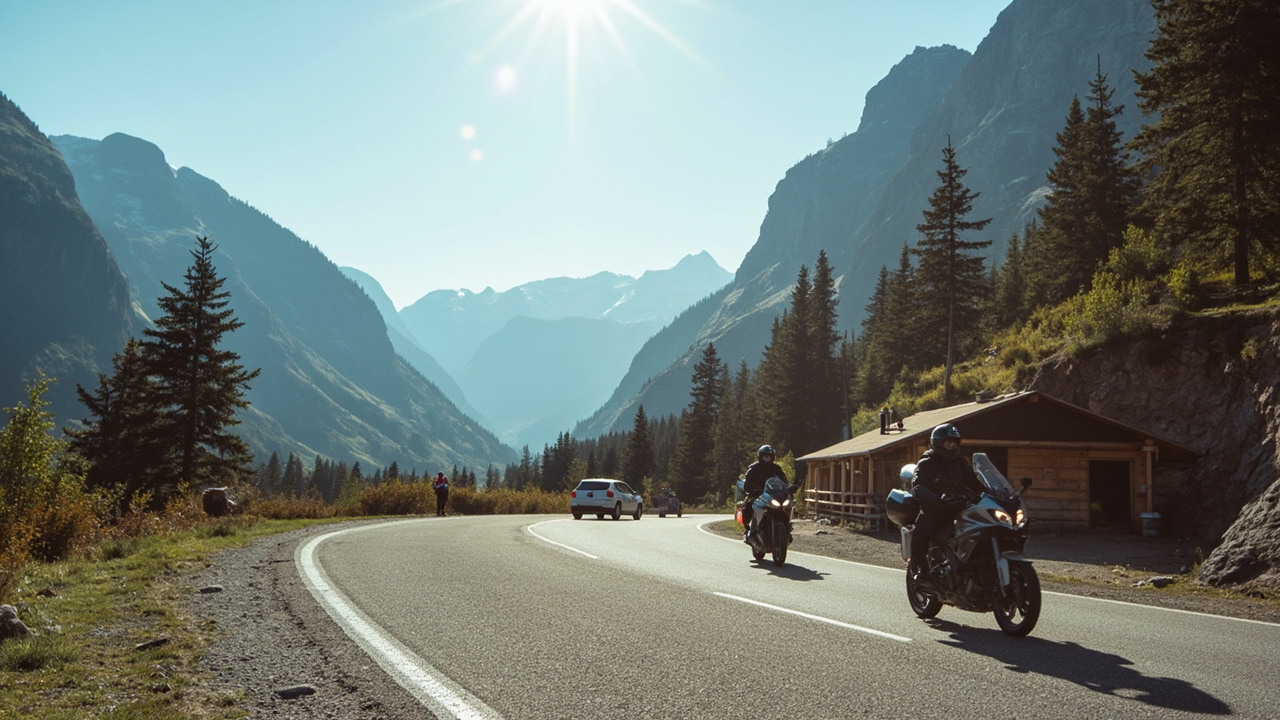
Motorcycle Tourism Economy
The motorcycle tourism economy is an often overlooked but substantial industry. From motorcycle manufacturing, gear sales, and maintenance services to tourism-related spending, motorcycle tourism drives economic activity across many fields. According to statistics from the European Association of Motorcycle Manufacturers, motorcycle-related industries create about 30 billion euros in annual output value in Europe, with tourism-related spending accounting for a significant share.
The economic value of motorcycle tourism first appears in transportation. Compared with cars, motorcycles generally consume less fuel, but their frequency of use is often higher. A serious motorcycle traveler may ride more than 20,000 kilometers per year on average, making fuel spending an important part of their daily expenses. In addition, motorcycle maintenance costs are relatively high because professional motorcycle repair requires a higher technical threshold and specialized tools.
The economic benefits for tourist destinations are the most direct. Motorcycle tourists usually spend on food, lodging, and local specialties during their trips. Research shows that motorcycle tourists are often more willing to spend in remote areas than ordinary tourists, because their routes often pass through places ordinary tourists do not visit. A typical European motorcycle tourist spends about 1,500 euros during a one-week trip.
Motorcycle manufacturers gain considerable revenue from the touring market. Touring motorcycles such as BMW's R1250GS, KTM's 1290 Super Adventure, and Honda's Africa Twin are among the best-selling models of their respective brands. These "adventure motorcycles" are usually equipped with features needed for long-distance travel, including large fuel tanks, comfortable seats, and navigation-system mounts. Manufacturers have also introduced various accessories for the touring market, such as side cases, top cases, and heated grips.
The gear industry likewise benefits from the popularity of motorcycle touring. Professional touring gear is usually more expensive than everyday products but offers better protection and comfort. A complete set of touring equipment, including helmet, riding suit, gloves, and boots, may cost as much as an ordinary motorcycle. The scale and profit margins of this market are considerable.
Insurance and financial services are also important components of the motorcycle tourism economy. Motorcycle tourists usually need more comprehensive insurance plans, including roadside towing services and overseas medical coverage. Some specialized motorcycle insurance companies provide customized products for touring riders, combining traditional accident insurance with travel inconvenience coverage.
The economic benefits of the events industry should not be ignored. More than 1,000 large motorcycle events are held worldwide every year, with attendance ranging from hundreds to hundreds of thousands. The Sturgis motorcycle rally in the United States attracts about 700,000 visitors each year and contributes more than 800 million U.S. dollars to the local economy. Although the Macau Grand Prix focuses mainly on cars, its motorcycle class also attracts many spectators and media attention.
Taiwan's motorcycle tourism economy has shown steady growth in recent years. According to statistics from the Tourism Bureau of the Ministry of Transportation, domestic motorcycle tourism has grown by about 10% annually. A phenomenon of bicycle and motorcycle sharing has begun to appear, with some riders choosing to rent local motorcycles after arriving at a destination. This flexible travel model has brought new business opportunities to local rental operators.
Infrastructure construction and maintenance are also important links in the motorcycle tourism economy. Many countries have begun investing in facilities specifically serving motorcycle riders, including roadside rest areas, repair stations, and motorcycle-friendly lodging. These facilities not only improve tourism quality but also create employment opportunities and investment projects.