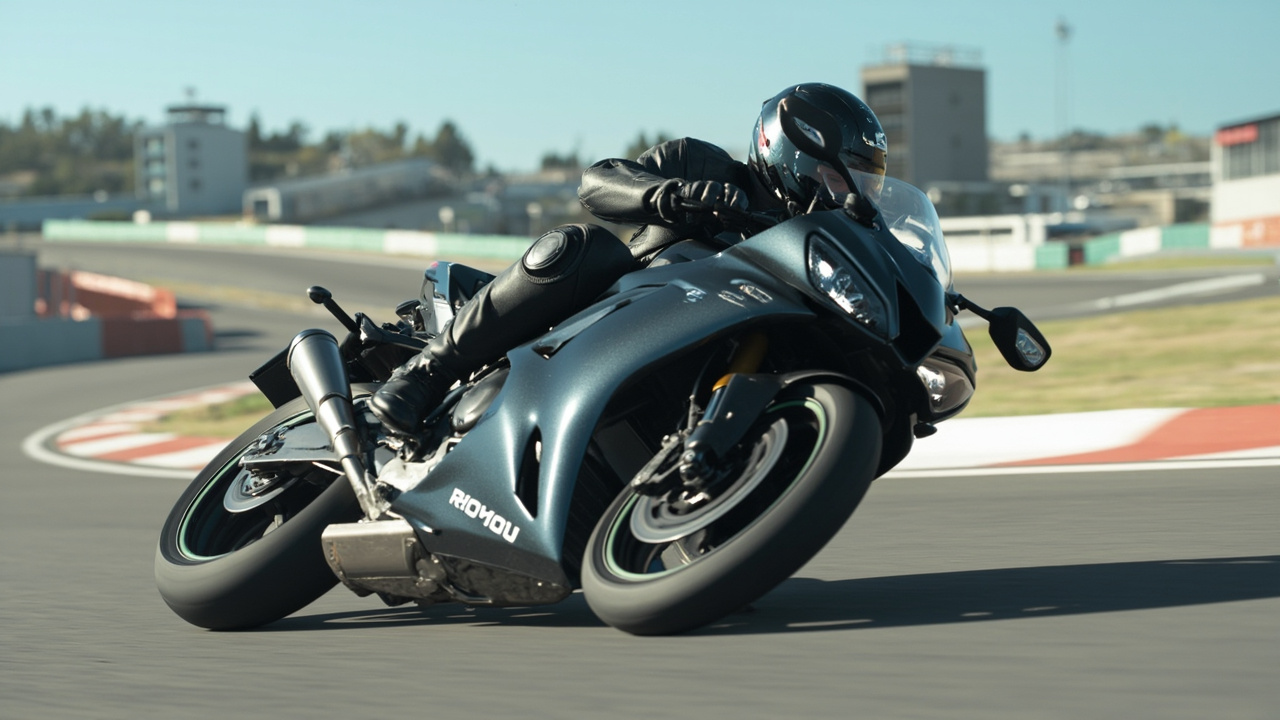
Track Day Culture
Track day culture is one of the fastest-growing motorcycle activities in recent years. Unlike traditional motorcycle racing, a track day is a non-competitive activity that allows participants to ride their own motorcycles freely on closed professional circuits, experiencing the fun of high-performance riding without worrying about traffic laws or pedestrians and vehicles on ordinary roads.
The history of track days can be traced to North America in the 1970s. At that time, some private circuits began offering open riding services on non-race days, allowing amateur enthusiasts to experience the thrill of circuit riding. This activity gradually became institutionalized in the 1980s, as many motorcycle dealers and rider organizations began holding formal track day events.
The core values of track day culture are safety and skill improvement. Participants do not need professional racing licenses to join track days, but organizers usually require them to sign risk-acceptance agreements and provide basic track riding training. Most track days group participants by experience level to ensure beginners are not mixed with veterans in ways that create danger.
The basic process of a track day usually works as follows: participants first register and have their motorcycles inspected in an open area. Next comes a technical course for the beginner group, covering correct braking points, lean transitions, and line selection. After the course, students are assigned to different groups and begin timed or untimed practice sessions. Lunch is a good opportunity for socializing and exchanging ideas, and many riders use this time to discuss techniques and modification experience.
The motorcycles used at track days can be of any type. From 600cc middle-displacement sportbikes to 1200cc large cruisers, many kinds of motorcycles can be seen at track days. Many riders install track-specific brake pads and tires on their daily motorcycles to improve performance in the circuit environment. Of course, some machines are prepared specifically for track days; these motorcycles are usually lightened and stripped of unnecessary street equipment such as turn signals and mirrors.
The development of track day culture has created related peripheral industries. Professional track day tires such as Dunlop's GP series and Michelin's Power series are designed to deliver optimal grip at track temperatures. Track day fuel contains no lead or other components that can damage valves, protecting high-performance engines. Post-event oil change services, brake-system inspections, and suspension setup adjustments have also become standard supporting services at many track days.
The cost of participating in a track day depends on location and service content. In the United States, a one-day track day usually costs between 150 and 300 U.S. dollars, including track access, basic technical instruction, and basic logistical support. Costs in Europe are similar, though some top circuits such as Germany's Nürburgring Nordschleife charge more. Track day culture in Asia is developing rapidly, with international circuits in Japan and Thailand both offering high-quality event environments.
Track days have a significant effect on improving rider skills. By practicing in a safe environment, riders can more clearly understand the limits of their motorcycles and their own handling abilities. Many experienced riders say track day training is key to improving the safety of their street riding.
In recent years, track day culture has also begun combining with other motorcycle activities. Some events arrange music performances and camping activities in the afternoon or evening, turning pure technical practice into a complete weekend experience. Online registration systems and social media also make organizing and promoting track day events more convenient.