Two-Stroke Nostalgia
Two-stroke engine motorcycles were once mainstream in the motorcycle world. The simplicity of this engine design and its unique power characteristics created a riding experience that many riders still cannot forget. As environmental regulations have become stricter, two-stroke motorcycles have disappeared from most markets, but nostalgia for this technology has only grown stronger.
The basic principle of the two-stroke engine is to use the overlap of intake and exhaust to complete the entire work cycle during the piston's upward and downward movements. Compared with four-stroke engines, two-stroke engines have no complex valve mechanism, are lighter, and have a better power-to-weight ratio. These traits give two-stroke motorcycles clear advantages in certain applications, especially areas requiring high power output and low weight, such as off-road motorcycles and scooters.
The 1960s to the 1990s were the golden age of two-stroke motorcycles. Honda's CB750 opened the era of large motorcycles, but two-stroke motorcycles still dominated the small- and middle-displacement markets. Yamaha's RD series and Suzuki's GT series were among the most popular two-stroke street bikes of the 1970s. Their light bodies and lively engine character made them entry choices for many riders.
In the scooter field, two-stroke engines were the absolute mainstream. From the 1960s to the early 2000s, almost all scooters used two-stroke engines. Although Honda's Super Cub was a four-stroke, it was a special case. Common scooters such as Yamaha's Vino, Puch's Maxi, and Vespa's PX series all used two-stroke designs. Their reliability and convenience made them daily transportation for millions of commuters around the world.
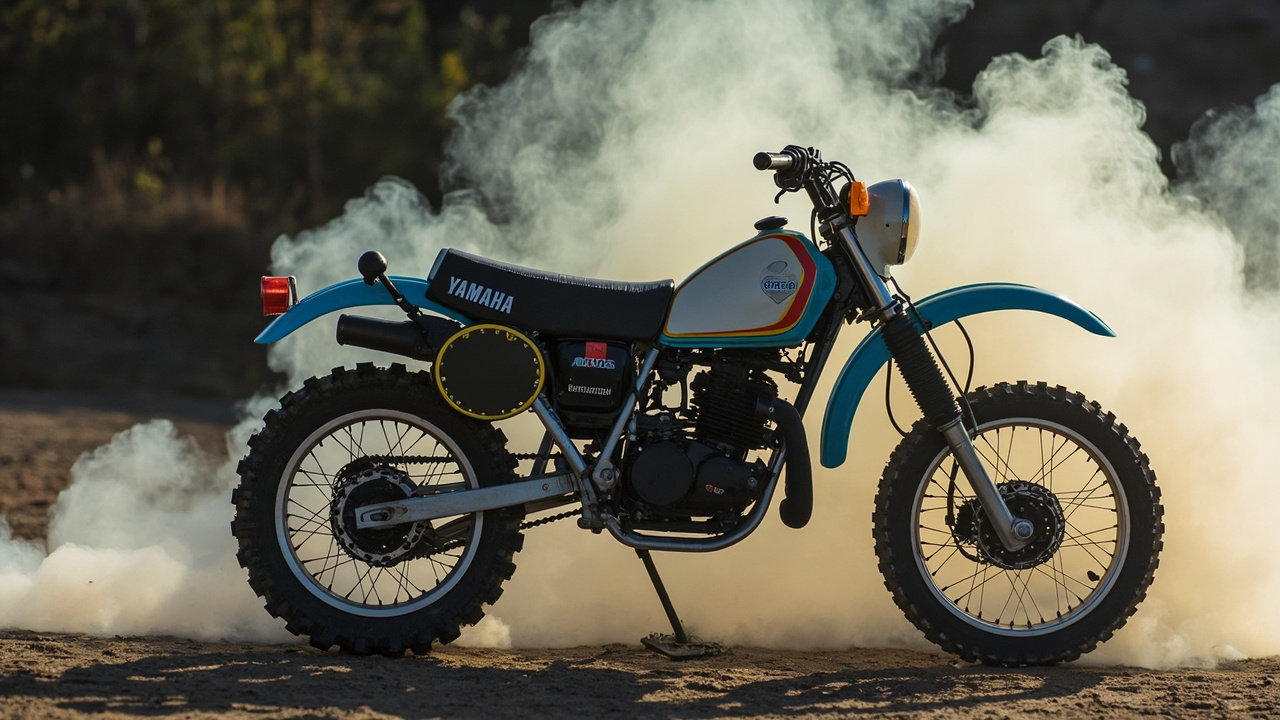
The distinctive riding feel of two-stroke motorcycles is the core of their nostalgia. The power delivery that rises and falls with engine speed, the almost screaming exhaust note at high rpm, and the common "two-stroke smoke" during deceleration—the blue haze sprayed from the exhaust—are experiences that four-stroke engines cannot replicate.
However, increasingly strict environmental regulations ended the era of two-stroke motorcycles. Two-stroke engines have much lower emissions efficiency than four-stroke engines, and unburned fuel can be discharged directly from the exhaust, causing serious air pollution. The U.S. Clean Air Act of the 1980s and European emissions standards of the 1990s gradually restricted the sale and use of two-stroke motorcycles.
Beginning in the 2000s, major motorcycle markets around the world successively banned new two-stroke motorcycles from sale. Taiwan's environmental regulations also greatly raised emissions standards after 2008, effectively ending sales of new two-stroke motorcycles. Air quality in many cities improved as a result, but riders lost a distinctive riding culture.
Today, the nostalgia market for two-stroke motorcycles is thriving. Prices for well-preserved old two-stroke motorcycles continue to rise, especially classic models such as the Honda NS400R, YamahaRZ500, and Suzuki RG500 two-stroke sportbikes. These machines have become targets for collectors, and prices have risen by more than 300% over the past decade.
Professional restoration services have emerged as a result. Many vintage motorcycle enthusiasts need professional technicians to rebuild two-stroke engines, restore original parts, and re-chrome exterior components. These services are not cheap, but growing demand shows the economic value behind two-stroke nostalgia culture.
The modification market is also hot. To make old two-stroke motorcycles comply with modern emissions standards, some manufacturers have developed aftermarket fuel-injection systems and catalytic exhausts. These parts are expensive, but they allow riders to continue enjoying the two-stroke engine riding experience legally.
Fuel evolution has also affected the use of two-stroke motorcycles. Traditional two-stroke motorcycles used a mixture of leaded gasoline and two-stroke oil, but leaded gasoline has been phased out, and the characteristics of replacement fuels have changed engine behavior. Some enthusiasts insist on using traditional mixed fuel, believing it is necessary to maintain the original character of two-stroke engines.