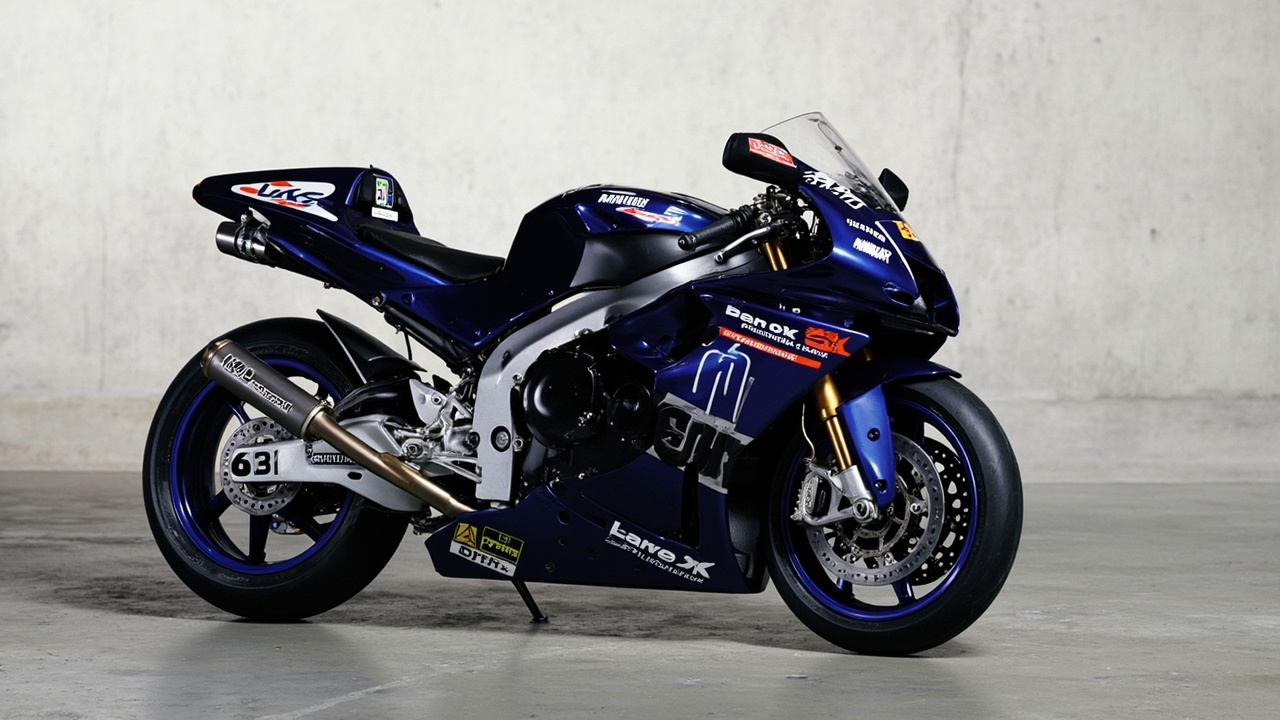
The MotoGP 990cc Era
From 2002 to 2007, MotoGP (formerly the 500cc World Championship) went through an important technical transition. During this period, the series changed engine regulations from two-stroke 500cc engines to four-stroke 990cc engines, opening the so-called "990cc era." This era produced many classic race bikes and witnessed explosive development in MotoGP technology.
The arrival of the 990cc era was driven by multiple factors. First, environmental pressure restricted the development of two-stroke engines. Four-stroke engines had higher fuel efficiency and cleaner emissions. Second, by the late 1990s, 500cc two-stroke engines already produced more than 200 horsepower, leaving limited room for further improvement. Finally, European manufacturers such as Honda, Yamaha, and Ducati hoped to create differentiated competition through larger displacement.
In 2002, the first 990cc season officially began. The Honda RC211V became the fastest race bike of the time, equipped with an 866cc V-five engine producing more than 240 horsepower. The RC211V's design philosophy sacrificed some displacement in exchange for a more compact engine size and better weight distribution. The V-five design shortened overall engine length and improved flexibility in chassis design.
The Yamaha YZR-M1 entered competition in 2003. This model used a four-cylinder engine and emphasized handling and reliability. In 2004, Valentino Rossi won the world championship on the YZR-M1, ending Honda's winning streak in 2002 and 2003. Rossi's success, to some extent, represented the YZR-M1's design philosophy: winning races through better handling and tire management despite a slight disadvantage in engine performance.
The Ducati Desmosedici GP4 entered competition in 2003. This model used a four-cylinder DOHC four-valve engine producing about 220 horsepower. The Desmosedici's design differed significantly from Honda and Yamaha, using a more traditional transverse cylinder layout and a cooling-system design unlike its competitors. Although the GP4 had reliability issues, its unique engine characteristics attracted some riders.
In 2004, Suzuki's GSV-R competed for the first time. This model used a four-cylinder engine, with a design philosophy emphasizing simplicity and reliability. However, Suzuki never achieved significant competitive success during the 990cc era.
In 2006, Casey Stoner won the world championship riding the Ducati Desmosedici GP6. This model used a greatly improved four-cylinder engine, with maximum output increased to around 240 horsepower. Stoner's success partly reflected Ducati's progress in electronic systems and chassis setup.
In 2007, Marco Melandri and another Ducati rider used the newly developed GP7 in the middle of the season. This model used more advanced engine design and electronic control systems. However, the main story of the season was Casey Stoner and Ducati's second consecutive championship.
The end of the 990cc era came from safety considerations. The 990cc four-stroke engines had already reached more than 250 horsepower, with top speeds over 350 kilometers per hour. These speeds posed serious safety risks to riders. After 2007, the series decided to reduce the displacement limit to 800cc to lower speeds and improve safety.
The legacy of the 990cc era is rich. The technical accumulation of this period directly influenced the development direction of later MotoGP factory bikes. Honda's V5 engine technology from this era was later applied to the development of the RC212V. Yamaha's YZR-M1 design philosophy established in this period continued to influence later M1 development. Ducati's Desmosedici series underwent multiple major improvements during this era, laying the foundation for later GP-series machines.